

 Mohammed Khalil Al Qasim
  06.01.2026
Agriculture in the UAE has always carried an element of defiance — a quiet rebellion against the idea that dry land cannot feed a nation. Every greenhouse glowing in the night, every hydroponic tower rising from the sand, every crop coaxed from salty soil is a reminder that the Emirates do not accept the limits set by climate or terrain. An agricultural license here is not a casual permission slip. It is an invitation into a national experiment: learning how to make the impossible grow — a reality every operator seeking an agricultural business license in the UAE must embrace fully.
People abroad often imagine the UAE through the lens of skylines and oilfields, but the real story unfolds under layers of mesh shade, inside climate-controlled farms, among herds raised with scientific precision, and across orchards nurtured by reclaimed water. Agriculture is one of the UAE’s most strategic industries — not loud, not showy, but essential. Food security is not a slogan here; it is a national policy written into every approval, every inspection, every controlled environment that keeps crops alive when the sun decides otherwise.
Anyone entering this sector quickly discovers that nothing is left to chance. The soil is analyzed, the water is measured, the environment is studied, and the operator’s intentions are examined with a level of seriousness usually reserved for aviation or medicine. Not because the UAE wants to complicate your plans, but because a farm — even a small one — becomes part of the country’s long game. It affects food supply, land use, water allocation, and environmental balance — especially for those preparing to get an agricultural license in the UAE where each choice carries real environmental weight.
Once you understand that the agricultural license is the first seed of that responsibility, the process stops looking like a checklist and starts looking like the blueprint of a garden the country expects you to tend with care.
Seeds of Permission: The Agricultural License in the UAE at the Core of Farming
An agricultural license in the UAE is not a polite nod that lets you scatter seeds and hope for the best — it is the country’s formal agreement that you may shape part of its most fragile, strategic landscape. Agriculture here touches water grids, food reserves, land planning, environmental controls, and national security. That is why the license carries a weight that newcomers don’t always expect, especially for those trying to get an agricultural license in the UAE for the first time.
The license defines the limits and freedoms of your operation: whether you may cultivate crops, raise livestock, run a greenhouse, process food products, operate aquaculture systems, or manage agricultural technology. Each activity has its own vocabulary of rules — not to restrict ambition, but to anchor it. A hydroponic farm is treated differently from a palm orchard; a fish hatchery walks a separate regulatory path from a dairy unit. The UAE likes precision, and agriculture demands it.
Once the license is issued, it becomes the identity card of your entire farming venture. It tells inspectors what you intend to grow, tells water authorities how much you might consume, tells environmental regulators what risks they must monitor, and tells banks what kind of capital intensity they should expect. When the activity selection is accurate, the system works with you rather than against you.
How Obtaining an Agricultural License in the UAE Shapes the Farming Ecosystem
Agriculture in the UAE isn’t a nostalgic return to tradition; it is a forward-facing blueprint stitched together by technology, water science, climate engineering, and a long-term obsession with food security. The country doesn’t leave farming to chance. It designs it — the same way it designs cities, and ports, with intention, data, and a quiet refusal to let geography dictate destiny, a mindset shared by anyone working under an agricultural license in the UAE within this system.
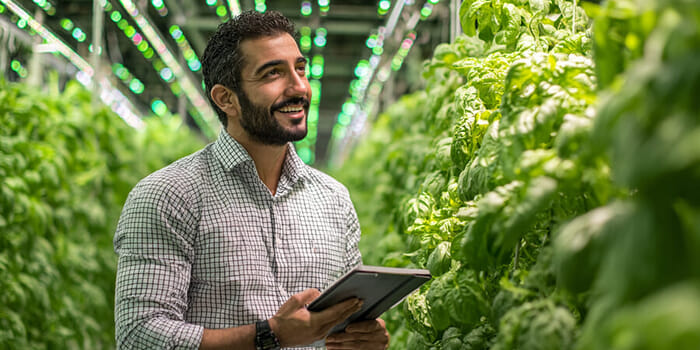
Across the Emirates, farming doesn’t unfold on endless fields. It grows in pockets of innovation: hydroponic farms glowing under LED constellations, vertical towers humming with nutrient cycles, greenhouses that feel more like laboratories than barns, and shaded orchards timed to irrigation systems that sip water instead of wasting it. The UAE treats agriculture as both a science and a safeguard. Every crop grown locally replaces an import, strengthens national resilience, and threads one more fiber into the country’s long-term food strategy.
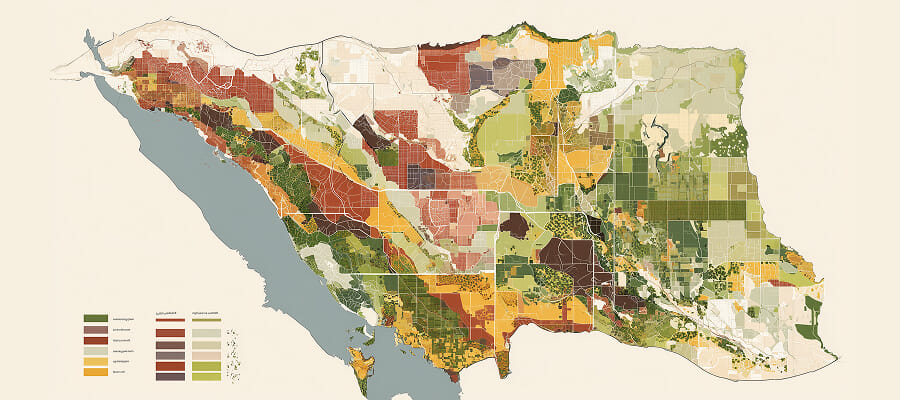
Regulators play a central role in shaping this landscape. Land-use maps determine where farming can happen. Water authorities regulate consumption down to the decimal. Environmental bodies watch over soil health, air quality, waste management, and the impact of farming techniques on the surrounding ecosystem. The goal isn’t to restrict farmers — it is to make sure each operation fits the delicate balance of a country that has to make every drop of water count.
What emerges from this system is an agricultural sector unlike any other in the region: engineered, optimized, and deeply integrated with the UAE’s vision of sustainability and self-reliance. Whether you build a small greenhouse or a full-scale production farm, you plug into a national plan that measures progress not by hectares, but by resilience.
In the Emirates, agriculture is not merely cultivation. It is preparation — for a future the country refuses to leave to chance.

Want to learn more about UAE business setup services?
What Obtaining an Agricultural License in the UAE Truly Allows You to Grow
An agricultural license in the UAE is not a vague stamp that simply says you may plant something. It’s a map — a clear outline of what you are allowed to cultivate, raise, produce, process, or manage inside a country that treats agriculture as a delicate, strategic craft. The license draws boundaries not to limit you, but to anchor your operation in reality: crop cultivation, livestock farming, aquaculture, beekeeping, hydroponics, vertical agriculture, greenhouse production, fodder manufacturing, seed distribution, and agricultural research each follow their own regulatory tracks — distinctions anyone getting an agricultural license in the UAE must navigate from day one.
The UAE takes these distinctions seriously. A company growing leafy greens in climate-controlled towers isn’t treated like a goat farm. A fish hatchery doesn’t walk the same approval path as a date-palm orchard or a business producing organic fertilizers. Every agricultural activity touches water consumption, land use, energy draw, biosecurity, and food-safety protocols, which means regulators need to know exactly what you plan to create before the first spade hits the soil.
Choosing the correct activity also shapes your entire ecosystem of approvals. Get it right, and inspectors, water authorities, environmental bodies, and municipalities align smoothly with your project. Get it wrong, and shipments stall, machinery clearance freezes, environmental permits bounce back, or land-use plans must be rewritten from scratch. Agriculture is too sensitive — and too important — for the system to allow improvisation.
Your license also tells banks who you are: capital-intensive or light, land-based or tech-driven, seasonal or continuous. It signals your operational rhythm and risk level, helping them decide whether your financial model makes sense in a sector where weather, water, and biology interact constantly — clarity that becomes essential when you apply for an agricultural license in the UAE and your financial footprint must match your declared activity.
The agricultural license doesn’t just allow you to grow. It defines the shape, the scale, and the responsibility of what you’re about to bring to life in the Emirates.
The Foundations of Growth for Obtaining an Agricultural License in the UAE
Agriculture in the UAE is not treated as a hobby or a gamble. It is a strategic pillar tied to food security, resource management, and environmental balance. Securing an agricultural license in the UAE means proving that your operation can grow responsibly in a country where every drop of water, every watt of energy, and every hectare of land carries weight. Regulators want clarity — not promises — that your project can thrive without disrupting the delicate equilibrium of the landscape around it.
Naming Rules for an Agricultural License in the UAE
Agricultural entities must choose names that are clean, compliant, and aligned with their field of work. No exaggerated claims, no references to sensitive topics, no imitation of existing producers or food brands. Regulators prefer names that reflect your actual agricultural activity — livestock, aquaculture, hydroponics, feed manufacturing — because clarity protects the market.
Activity Selection for an Agricultural License in the UAE
The UAE draws sharp lines between greenhouse farming, date cultivation, aquaculture, livestock breeding, beekeeping, fodder production, seed distribution, agricultural R&D, fertilizer manufacturing, and more. Each activity carries its own rules, risk levels, inspections, and environmental considerations. Select the wrong one and you might face blocked imports, frozen machinery approvals, or rejected land allocations. Select correctly and your entire project gains momentum.
Land, Facilities, and Biological Footprint for a UAE Agricultural License
The country will not approve an agricultural license without proof of a suitable site. Mainland projects require zoned agricultural land, approved irrigation systems, waste-management plans, and biosecurity controls.
Documentation and Approvals for Getting an Agricultural License in the UAE
Beyond passports and corporate records, agriculture requires production plans, water-use data, environmental assessments, species or crop lists, and biosecurity measures. Any missing detail halts the system instantly.
The Licensing Path: How Obtaining an Agricultural License in the UAE Takes Root
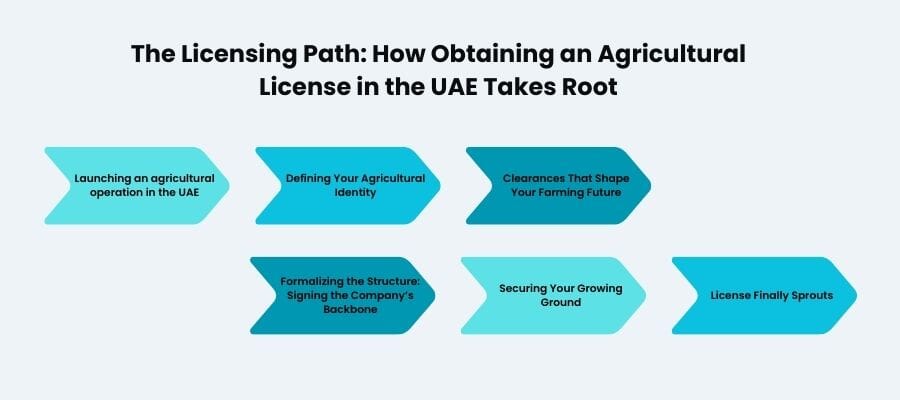
Launching an agricultural operation in the UAE isn’t a matter of ticking boxes — it’s the careful planting of an idea into one of the most regulated landscapes in the region. Each step of the licensing journey carries its own weight because agriculture isn’t just business here; it’s part of the nation’s long-term food security strategy. Approval arrives only when every layer of your project aligns with the country’s environmental, biological, and operational expectations.
Defining Your Agricultural Identity
Before anything moves, you must declare your precise agricultural activity — the same activity you’ll later justify when applying for an agricultural license in the UAE. Are you cultivating crops in greenhouses? Breeding livestock? Running an aquaculture hatchery? Producing fertilizers? Distributing seeds? Authorities examine whether your chosen activity reflects a real, feasible operation — and whether your trade name supports that identity. This first step gives your project direction.
Clearances That Shape Your Farming Future
Agricultural businesses trigger early reviews: soil assessments, water-allocation checks, irrigation approvals, environmental impact evaluations, biosecurity inspections, and species-specific permissions. These reviews exist to protect the land, the animals, and the wider food chain.
Formalizing the Structure: Signing the Company’s Backbone
Once regulators are satisfied with your operational logic, you finalize your MOA or AOA. These documents set your ownership, your capital, and your internal governance. No agricultural authority will proceed without this foundation.
Securing Your Growing Ground
Agriculture cannot take root without physical land or facilities. Mainland entities must present approved agricultural plots or livestock-ready sites. Your site layout must show how crops, animals, or systems will be managed safely.
When the License Finally Sprouts
With activities confirmed, clearances aligned, documents signed, and land secured, authorities issue your agricultural license — the moment your project becomes part of the UAE’s food future.
Banking and Compliance: How UAE Banks Assess an Agricultural License in the UAE
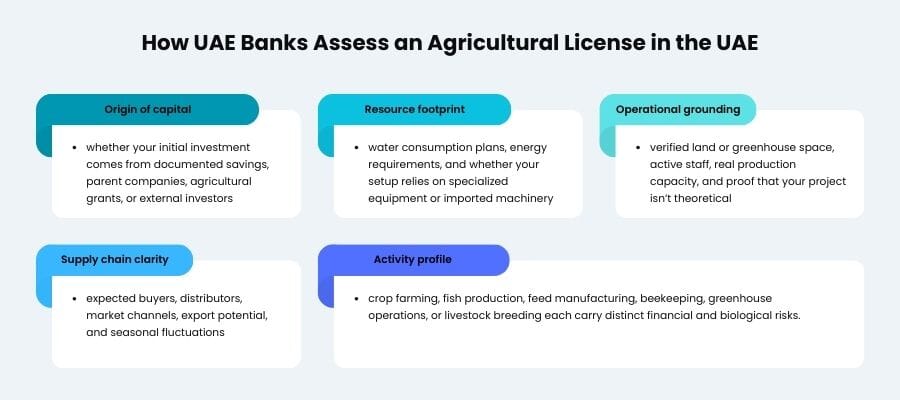
Banks in the UAE approach agricultural companies with a blend of caution and curiosity. Farming, aquaculture, livestock, and agri-tech ventures move money in patterns very different from regular businesses — seasonal income, high upfront investment, slow maturation cycles, and supply-chain dependencies. Banks need to understand that rhythm before they agree to onboard you.
What they examine first:
- Origin of capital — whether your initial investment comes from documented savings, parent companies, agricultural grants, or external investors.
- Activity profile — crop farming, fish production, feed manufacturing, beekeeping, greenhouse operations, or livestock breeding each carry distinct financial and biological risks.
- Resource footprint — water consumption plans, energy requirements, and whether your setup relies on specialized equipment or imported machinery.
- Operational grounding — verified land or greenhouse space, active staff, real production capacity, and proof that your project isn’t theoretical.
- Supply chain clarity — expected buyers, distributors, market channels, export potential, and seasonal fluctuations.
Banks onboard agricultural ventures when the financial story aligns with the biological one — when your numbers match what your farm, greenhouse, or hatchery can actually produce.
The Final Harvest: Securing an Agricultural License in the UAE
Having an agricultural license in the UAE is not the end of a checklist — it’s the beginning of a relationship with the land itself. You’re not just opening a business; you’re entering a landscape that has learned to survive against the odds, a place where every green leaf is a quiet victory over heat, salt, and scarcity. The country doesn’t give out agricultural licenses lightly because it knows exactly what is at stake: food, sustainability, resilience, and the future of a region that refuses to be defined by its deserts.
When your license arrives, it carries a message between the lines:
You may plant here — but plant with purpose.
The Emirates expect clarity from you — clarity of method, clarity of impact, clarity of intention. And in return, the country offers something rare in the world of agriculture: stability. Infrastructure that works. Energy systems that don’t collapse. A regulatory system that protects rather than obstructs. A market that rewards those who cultivate with intelligence rather than haste.
Once your land is approved, your systems are running, and your bank trusts your model, the UAE stops being simply a location. It becomes part of your harvest — a partner in every seed that takes root.

