


 Calen Voss
  21.08.2025
 UAE residence visa for a child costs vary. There is no fixed number that works for everyone. Fees depend on the emirate, the type of license or visa the parent holds, and whether the visa is new or being renewed. The official charge is only part of the total — medical checks, Emirates ID, and sometimes extra approvals can add more.
A valid visa is required for a child to live here beyond a visit period. Schools, hospitals, and many government services will ask for it before providing access. The rules come from federal immigration law, but the exact steps and amounts are handled locally, which means the process in Dubai may not be exactly the same as in Sharjah or Abu Dhabi.
Why Children Need a UAE Residence Visa
In the UAE, a residence visa is what gives a child the legal right to live in the country. Without it, they cannot stay beyond the period allowed on a visit visa. It is also a requirement for basic services. Schools will ask for a valid residence visa before completing enrollment. Government hospitals and many private clinics need it for issuing or renewing a health card.
Immigration law applies the same rules to children as it does to adults. If a visa expires and is not renewed, fines apply from the first day after the grace period. In serious cases, overstaying can lead to entry bans.
The visa also links the child to their sponsor — usually a parent or legal guardian — in the immigration system. This record is used by multiple government departments, from education to health to civil defense. Without it, the child’s status in official systems remains incomplete.
UAE Residence Visa for Child: Cost Breakdown
The price of a child’s residence visa isn’t a single fixed figure. Each emirate sets its own charges, and there’s a difference between mainland and free zone fees. The main payment goes to the government for issuing the visa.
That’s only part of the bill. Medical tests, Emirates ID registration, and document handling all add to the amount. Some families also have costs for translations or for certifying papers from outside the UAE.
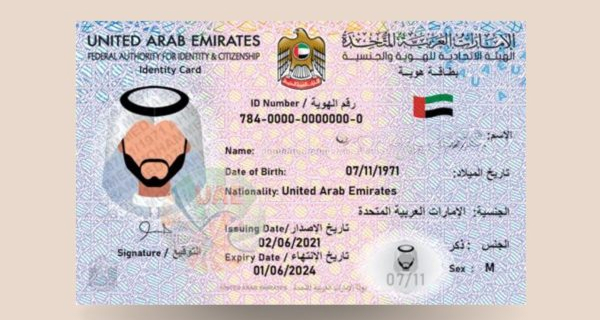
First-time applications usually cost more. A new visa means an entry permit, a change of status, medical checks, and ID registration — each with its own charge. Renewals are cheaper because some of these steps aren’t repeated.
In certain cases, extra approvals are needed from other government bodies. If the sponsor works in a regulated sector, there may be an additional fee for that clearance.
Child Visa UAE Cost for Initial Application
The cost of getting a residence visa for a child for the first time includes several separate payments. The government fee for issuing the visa is the largest portion and can range from around AED 200 to AED 1,000, depending on the emirate and the validity period chosen.
Medical testing is required for children above a certain age, and this adds another AED 300 to AED 700, depending on the type of medical centre and whether regular or fast-track service is used. An Emirates ID card is also mandatory, with fees starting at AED 170 for one year and increasing with longer validity.
In most cases, there is also a status change fee if the child is already in the UAE on a different visa. This is generally between AED 500 and AED 650. Families using a typing centre or a public relations officer (PRO) to prepare and submit the application will have additional service charges. These can vary widely but should be factored into the total.
UAE Residence Visa Renewal Fees for a Child
Renewing a child’s residence visa is generally less expensive than applying for the first time, but it still involves multiple payments. The UAE residence visa renewal fees for a child start with the government charge for visa issuance, which is usually in the range of AED 200 to AED 600, depending on the emirate and the visa validity period.
Medical testing is required only if the child is above the age limit set by the health authority in that emirate. Where applicable, this can add AED 300 to AED 700. The Emirates ID must also be renewed, with fees starting from AED 170 per year.
There will be an increase to the overall cost due to immigration penalties applied daily after the grace period if the renewal is completed late.

Documents Required for Child Visa in the UAE
For a child’s residence visa, immigration offices expect to see a complete set of papers. The rules are mostly the same across the UAE, though small differences appear from emirate to emirate.
A passport copy for the child is always needed, and it should still be valid for at least six months. Recent photographs are required too, but they must meet the official size and background rules. The sponsor will need to provide their own passport copy, residence visa page, and Emirates ID. A birth certificate is also checked — this has to be attested in the UAE, and if it was issued abroad, it must go through the UAE embassy in that country before submission.
Some cases need extra proof. Guardianship papers may be requested if the relationship is not clear. Certain emirates will ask for evidence of where the family lives, like a tenancy contract or a recent utility bill. If the child is already in the UAE on another visa, an entry permit or status change paper is added to the file. Older children may also be sent for a medical fitness test at an approved clinic before the visa is issued.
UAE Child Visa Requirements: Who Is Eligible
A child can only get a residence visa if they have an eligible sponsor in the UAE. Most of the time, that sponsor is a parent with a valid residence visa of their own. The law allows both fathers and mothers to sponsor, but the conditions are not always identical. As long as she satisfies the income and housing criteria and her work type is approved by the immigration administration, a mother may sponsor her child in certain emirates.
The sponsor must earn at least the minimum monthly salary set by their emirate’s rules. This figure is reviewed from time to time and can differ between mainland and free zones. The income requirement is there to confirm that the family can support the dependent.
Children must be under the legal age limit for dependent sponsorship, which is usually 18 years for boys and higher for girls, provided they are unmarried. People with special needs or who are enrolled in full-time school may be eligible for an exception, but they will need additional clearances.
The sponsor's ability to find adequate housing is another factor that immigration authorities consider. Tenancy or property ownership documentation may be required by some emirates prior to visa processing. Your application will not be advanced until you fulfill these requirements.

Want to learn more about UAE business setup services?
Step-by-Step Guide: How to Apply for a UAE Residence Visa for Your Child
The application always goes through the authority that issued the sponsor’s visa, so it’s important to check that authority’s rules before doing anything else. They all follow the same federal framework, but the exact sequence and required forms can differ between emirates.
Paperwork comes first. Immigration won’t accept an application without the child’s passport copy, photos, and a properly attested birth certificate. The sponsor’s Emirates ID and residence visa page are also part of the file. If the birth certificate was issued abroad, it has to be legalised in the home country and stamped by the UAE embassy before it’s used here.
If the child is outside the UAE, an entry permit is applied for. If already inside the country, a status change request replaces that step. Children above the set age limit in their emirate may need a medical test, which is booked at an approved clinic. Emirates ID registration is done around the same time.
Once those parts are complete, the visa application is submitted for final approval. When it’s issued, the child’s details appear in the immigration system, linking them officially to the sponsor.
Where to Submit: Dubai vs Other Emirates
In Dubai, applications are handled by the General Directorate of Residency and Foreigners Affairs (GDRFA). Parents can file online through the GDRFA portal or app, or go to one of its customer service centres. Many families still use registered typing centres in Dubai to prepare and submit the forms on their behalf.
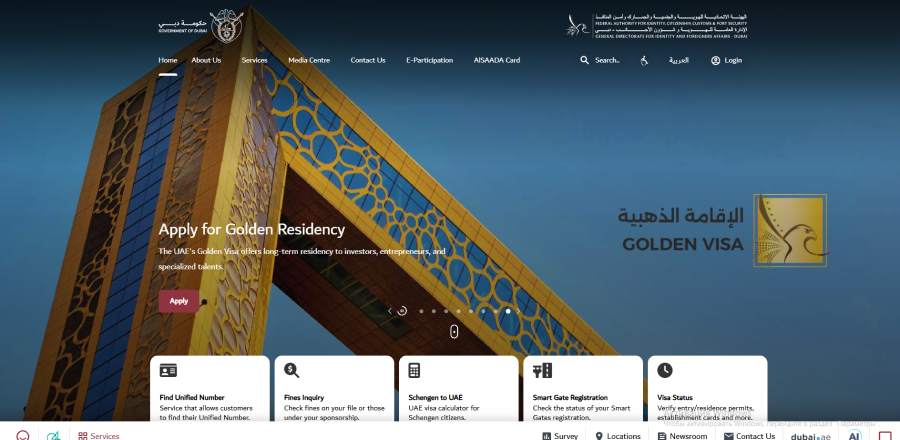
Abu Dhabi uses the Federal Authority for Identity, Citizenship, Customs and Port Security (ICP) system for dependent visas. Applications are made online or at an authorised service centre. The same ICP platform covers Sharjah, Ajman, Umm Al Quwain, Ras Al Khaimah, and Fujairah, though the supporting document requirements can vary slightly between emirates.
Free zone companies submit through their own free zone authority. In some zones, the process is entirely online; in others, certain steps must be completed at the immigration desk inside the zone. Knowing which system applies saves time and prevents the application from being sent to the wrong place.
Typical Processing Times and Delays
When all the papers are ready and there are no extra approvals to chase, a child’s residence visa is usually issued in just a few working days. In Dubai, simple applications can be finished in about 48 hours. In other emirates that use the ICP system, the timing is similar, but it may stretch a little if the office is busy.

The process slows down when details in the application do not match the documents, when required papers are missing, or when the activity involves approval from another government department. School admission periods and national holidays can also create backlogs.
Checking the emirate’s specific requirements and making sure every document is accurate before applying greatly reduces the chance of delays.
How to Renew a Child Visa in Dubai and Other Emirates
Renewals are handled by the same authority that issued the original visa. In Dubai, that is the General Directorate of Residency and Foreigners Affairs, while in the other emirates it goes through the ICP system. Both offer online submission, mobile apps, and in-person service centres. Many parents still choose to work with authorised typing centres to prepare and submit the application.
It is better not to wait until the visa is about to expire. Although a grace period is usually available, leaving the process too late increases the chance of fines or a last-minute document problem. Authorities will need the child’s valid passport, a copy of the current visa, and the sponsor’s Emirates ID and passport. Some emirates may ask for extra proof, such as updated tenancy documents.
You must take care of all necessary medical exams before you apply. The immigration system updates its records and issues a new visa after all required papers have been reviewed and paid.
Documents and Renewal Timeline
Renewing a child’s residence visa needs almost the same paperwork as the first application. The file will have the child’s valid passport, the current visa page, the sponsor’s passport, and the sponsor’s Emirates ID. Some immigration offices also want recent proof of address — for example, a tenancy contract or a utility bill in the sponsor’s name. In certain emirates, if the child has changed schools, an updated enrollment letter can be requested.
Once the documents are ready, the renewal is usually quick. In Dubai, straightforward cases can be cleared in two or three working days. In other emirates using the ICP system, it is often similar but may take longer if the office is busy or if extra checks are required.
Do not wait until the visa is almost about to expire; doing so is safer. It is common practice to submit applications at least a few weeks early to avoid late fees and provide enough time to address any concerns.
Penalties and Late Renewal Fines
If a child’s residence visa expires and nothing is done within the grace period, overstay fines start to build up each day. The daily rate is set by immigration and doesn’t take long to become expensive if the delay drags on.
Most visas have a grace period of about 30 days, but it is not always the same everywhere. Some cases have less time, others a bit more, depending on the emirate or the sponsor’s visa type. It’s worth checking before assuming the exact number of days.
When the delay is long, the application can get more complicated. Immigration may ask for extra approvals before the new visa is issued, which adds both time and cost. Starting the renewal early removes the risk of having to deal with these penalties at all.
Common Mistakes When Applying for a Child Residence Visa
Applications are often delayed because one or more documents are out of date. A passport that is due to expire soon, an Emirates ID that is not current, or a birth certificate without the proper attestations will all cause problems.
Confusion over the type of application is another issue. Some parents submit a renewal request when the child is actually entering the UAE for the first time, while others start a new visa application when they only needed a renewal. Both lead to extra steps and extra costs.
Leaving the application until the very end of the visa’s validity is also risky. Small errors — such as a spelling difference between documents — can suddenly turn into fines if the grace period is missed.
In some emirates, immigration asks for documents that are not required elsewhere, like updated school enrollment or proof of accommodation. Knowing the exact local rules before starting avoids last-minute surprises.

Conclusion
A valid residence visa is what allows a child to stay in the UAE beyond a short visit. It also links them to school enrollment, healthcare access, and other government records. The steps to get or renew it are straightforward, but only if the documents are complete and the rules for that emirate are followed.
Charges and conditions are not identical everywhere. The process in Dubai may be slightly different from Abu Dhabi or Sharjah. That is why it helps to check the local requirements before starting. Handling the renewal or new application early leaves time to fix any issues without worrying about fines.
There isn’t one fixed amount. The total depends on the emirate, how long the visa is valid for, and whether it’s a first-time application or a renewal. The government fee is just part of it — medical tests, Emirates ID, and any extra approvals will increase the figure.
Usually less than a first-time visa. You’ll still pay for the visa itself, the Emirates ID renewal, and possibly a medical test if the child is over the required age. Delays past the grace period mean daily overstay fines.
A valid passport for the child, recent photographs, the sponsor’s passport and Emirates ID, and an attested birth certificate. Some emirates also ask for proof of address or school enrollment.
Yes — provided she meets the income level, housing, and job category conditions set by her emirate’s immigration authority.
Straightforward cases can be finished in a few working days if all documents are correct.


